What a Property Manager Needs to Know About Buildings
Managing property in Estonia calls for knowledge in a great many areas. One of the important ones is understanding buildings technically: how they are built, which systems keep them running and how to maintain them efficiently. This groundwork keeps buildings usable for longer and helps you avoid expensive repairs. In this article we go through the construction knowledge that matters most to a property manager and give practical advice on putting it to work.

1. Why this knowledge matters so much
A property manager is not simply an administrator looking after paperwork and lease agreements. In practice they also answer for the physical condition of the building and for how well it holds up over time. A manager who understands buildings thoroughly is valuable, because they:
- Help avoid unexpected repair costs. Spotting a foundation crack that looks like nothing at first can save the owner thousands of euros.
- Communicate better with technical specialists. A manager who grasps the nature of a problem can talk to plumbers, electricians and builders far more clearly.
- Raise satisfaction among tenants and owners. Well maintained buildings attract better tenants and hold a higher market value.
This knowledge also matters for staying within the law. In Estonia a number of maintenance duties, such as inspecting heating systems and cleaning ventilation, are required, and neglecting them can lead to fines or legal trouble.
2. The construction basics
2.1. Understanding the structure of a building
The structure is the physical frame that keeps a property stable and safe. A manager who understands its main components can assess the condition of a building better and head off problems.
The foundation
The foundation is one of the most critical parts of a building. Once it starts to settle or crack, serious structural problems follow. Damage to a foundation can cause:
- Cracks in walls and floors.
- Door and window frames going out of true.
- Water damage and damp.
Manager’s tip: check around the foundation regularly, especially after heavy rain or ground movement. In Estonia the spring thaw is worth a separate look, because freezing and thawing move the ground more than rain does.
Load bearing walls and beams
Load bearing walls and beams keep the building stable. When alterations are planned, the property manager has to know which walls are load bearing, so that the structure is not weakened.
The roof
Proper roof maintenance is essential. Regular inspection prevents the leaks that damage the inside of a building and let mould take hold.
2.2. Knowing the technical systems
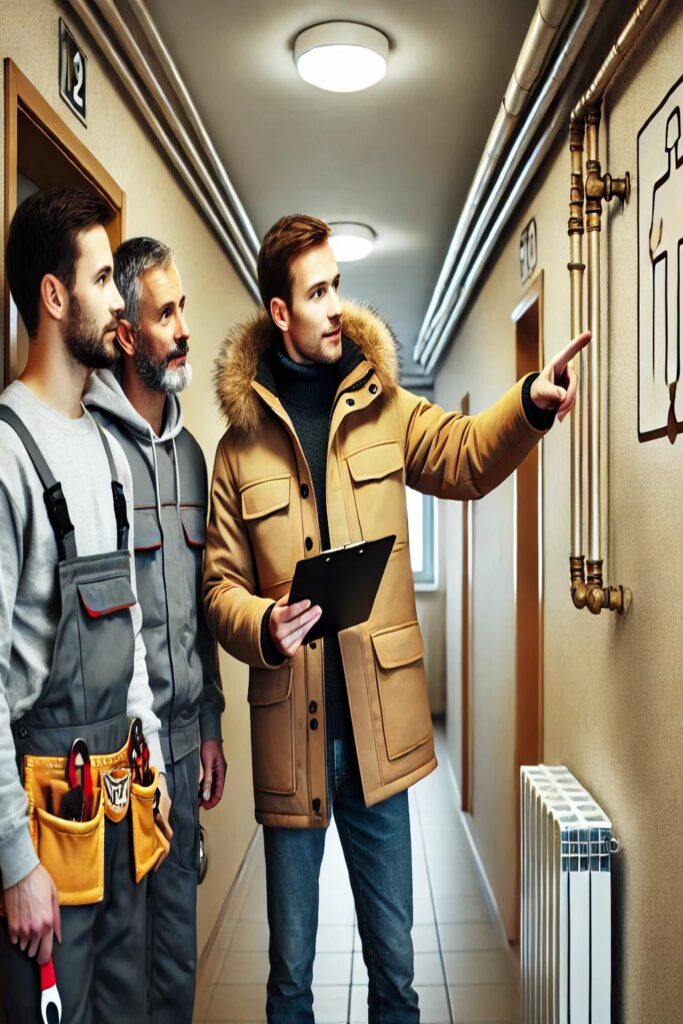
The technical systems of a building, meaning electricity, water supply, ventilation and heating, are the backbone of how it works. A property manager needs to understand the basics of each.
Electrical systems
Old wiring is a fire risk. It also matters whether the system has enough capacity for the equipment people use today.
Manager’s tip: order regular inspections of the electrical system and keep a record of the maintenance done.
Pipework and drainage
Leaks and blockages cause a great deal of damage quickly. A small leaking pipe is enough to soak moisture into the walls and start mould.
Ventilation and heating
Good ventilation keeps the air quality in a building healthy and stops moisture collecting. Heating systems need regular servicing so that they run efficiently and use less energy. In Estonia this weighs heavily, because the heating season runs from roughly October to April.
3. Energy efficiency and why it matters
An energy efficient building benefits the owner, the tenants and the environment alike. Energy saving measures cut running costs and improve the market value of the property.
- Insulation. Poor insulation causes large energy losses. Keep an eye on whether the roof and the walls are insulated well enough. In the Estonian climate this is where most of the heat is lost.
- Efficient heating. Old, inefficient heating drives energy costs up. Heat pumps or solar panels are worth considering as an alternative.
- Energy performance certificate. In Estonia a building has an energy label (energiamärgis), and it is required when a building or a unit is sold or let. A property manager should know how the energy performance of a building is assessed and what can be done to improve it.
4. Why regular maintenance matters
A maintenance plan is the best tool a property manager has. Regular maintenance not only heads off large repair bills, it also improves the general condition of the building and the comfort of the people in it.
The main maintenance tasks:
- Roof work. Clear the gutters and check the condition of the roofing. In Estonia, do this before the snow arrives and again once it has gone.
- Ventilation. Have the ventilation cleaned at least once a year.
- Facade. Remove worn paint or render and repair cracks.
5. Tools and skills
A property manager today works with more than the knowledge above and relies on a number of technical solutions. A few examples:
- Property management software. Platforms of this kind let you track maintenance, keep records and communicate with tenants.
- Technical documentation. Keep every technical document relating to the building properly archived.
- A network of specialists. Build up working relationships with electricians, plumbers and other trades you can rely on.